Series · 23 works
City Light
Architecture, structure, and urban form — Paris, New York, Rome, Rotterdam, and beyond
Series note
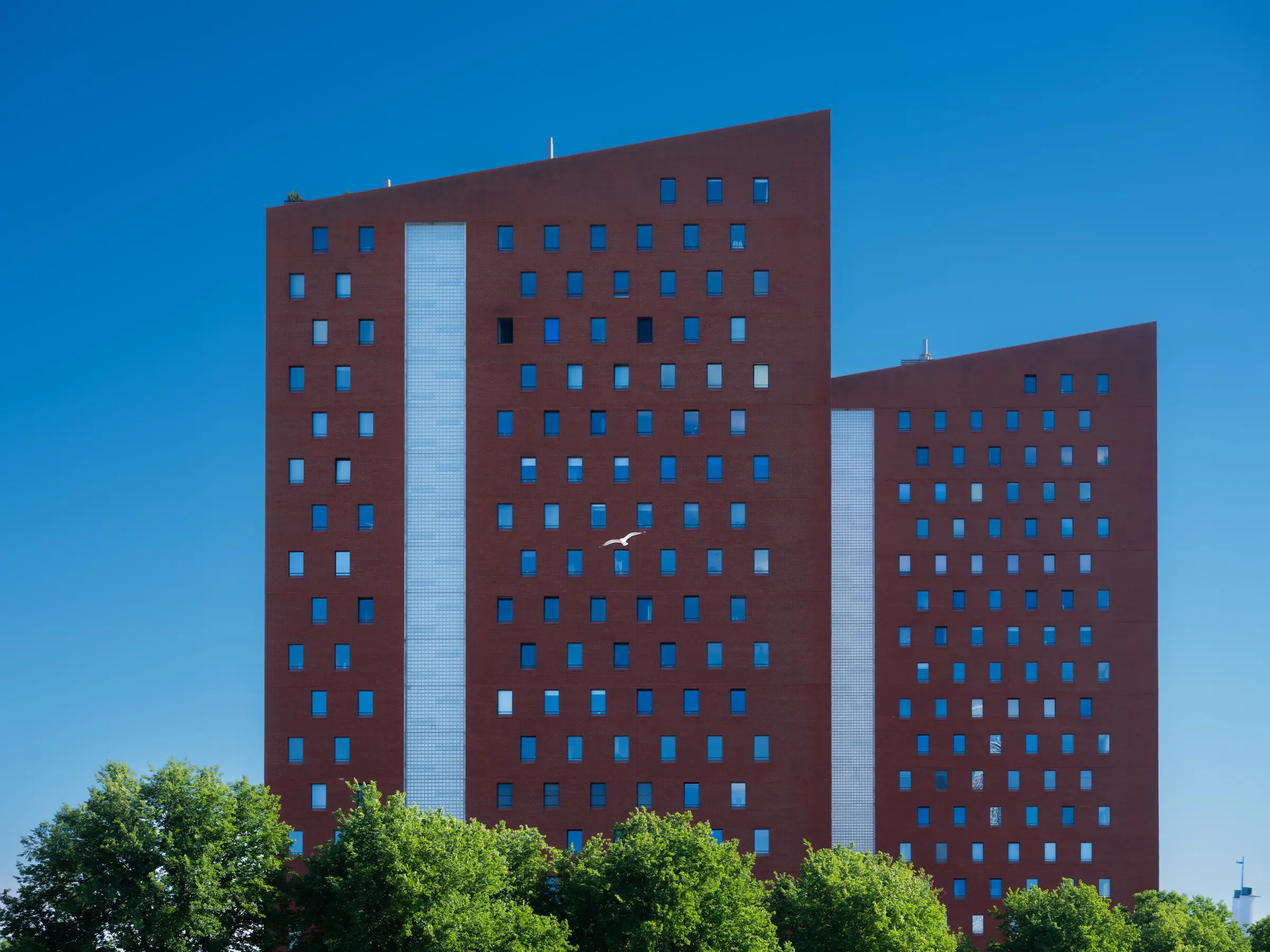
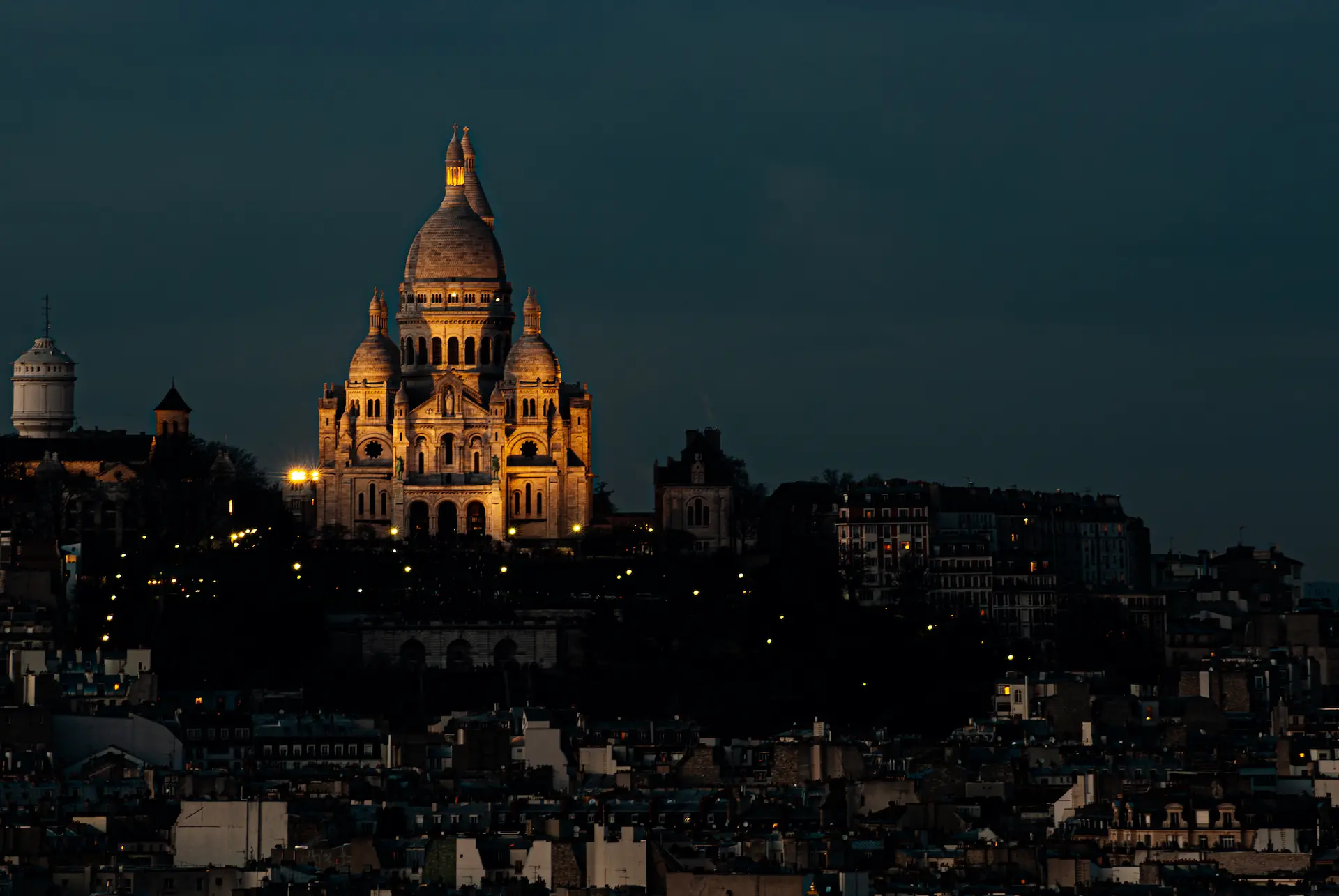
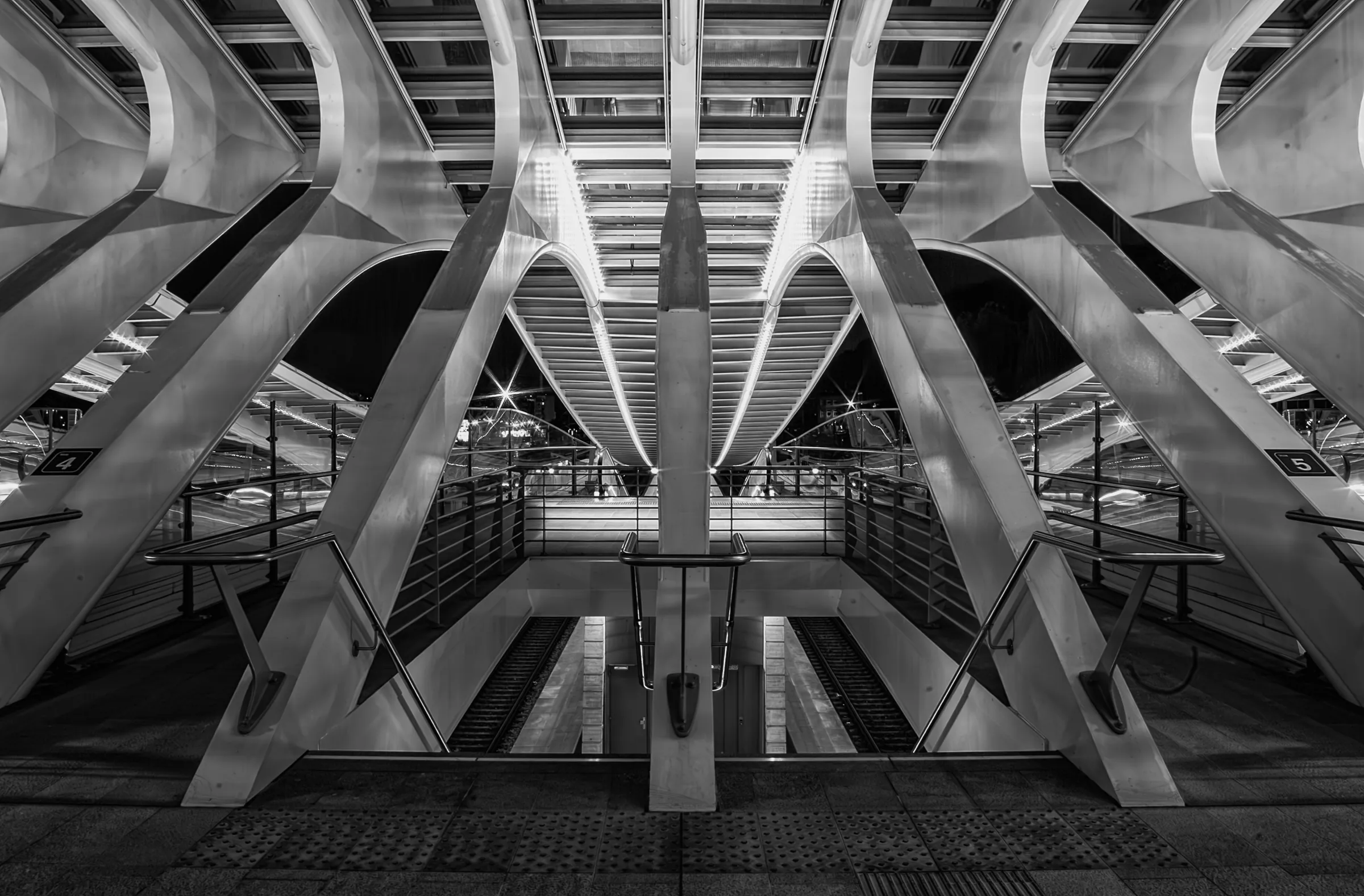
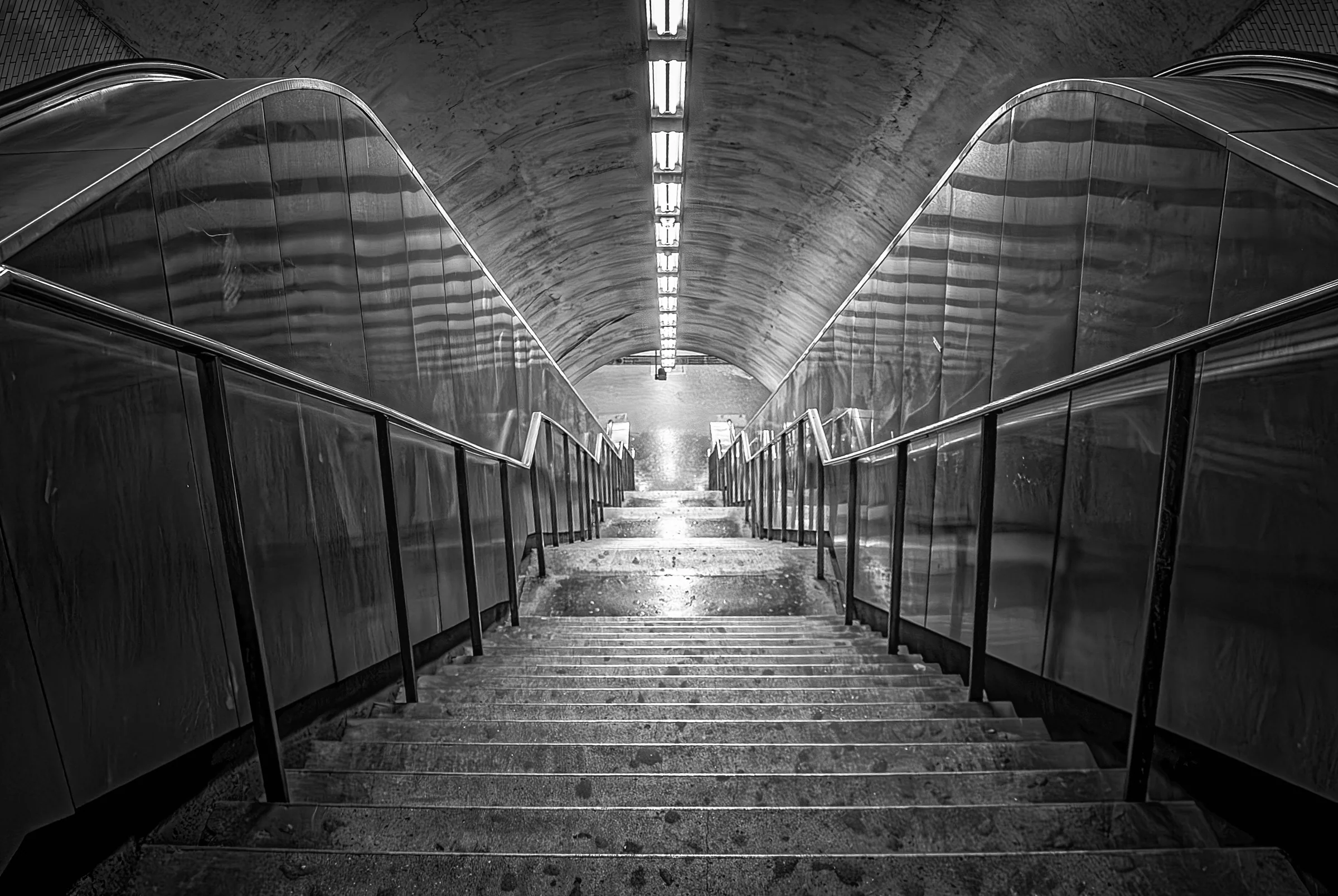
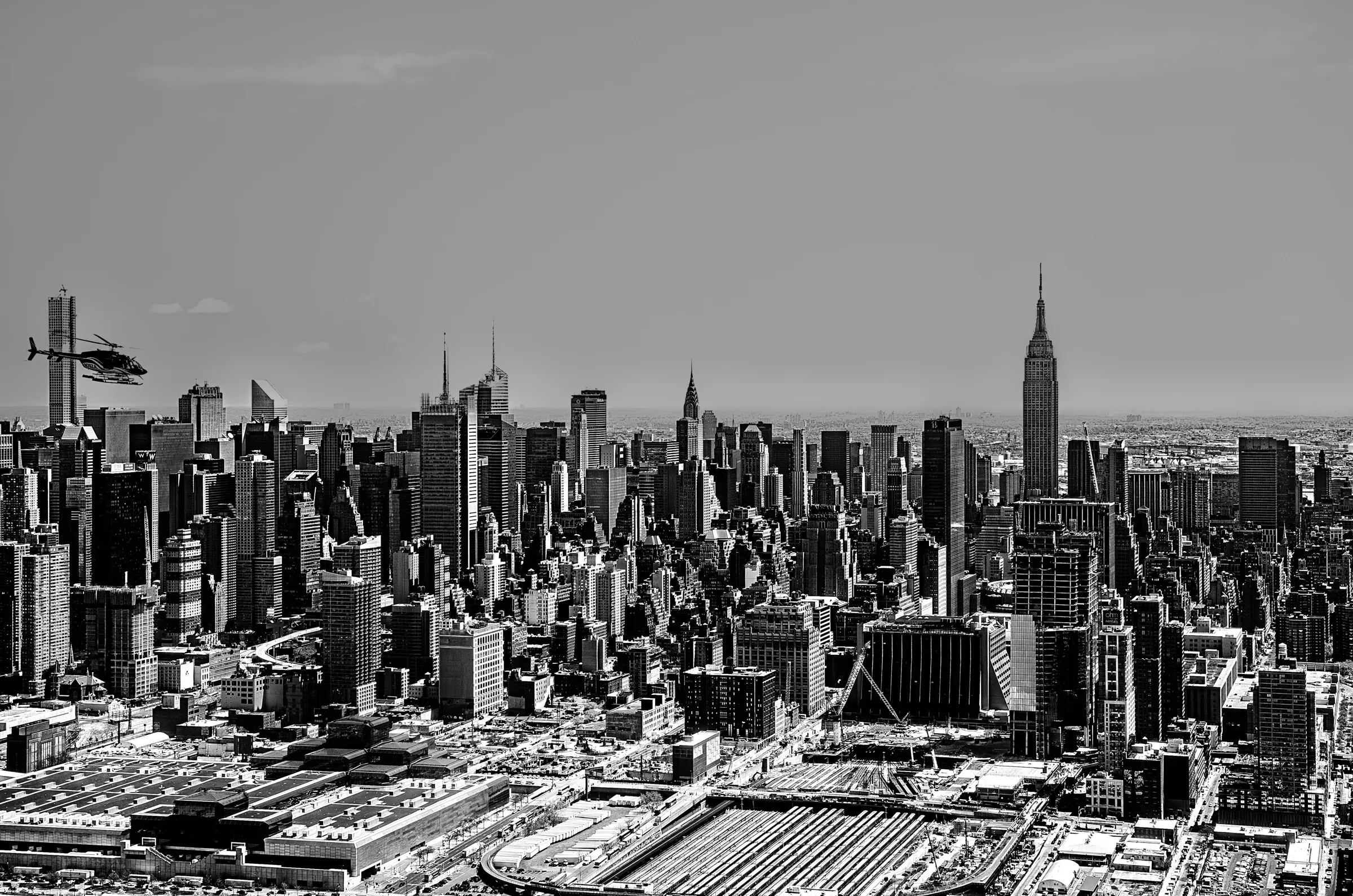
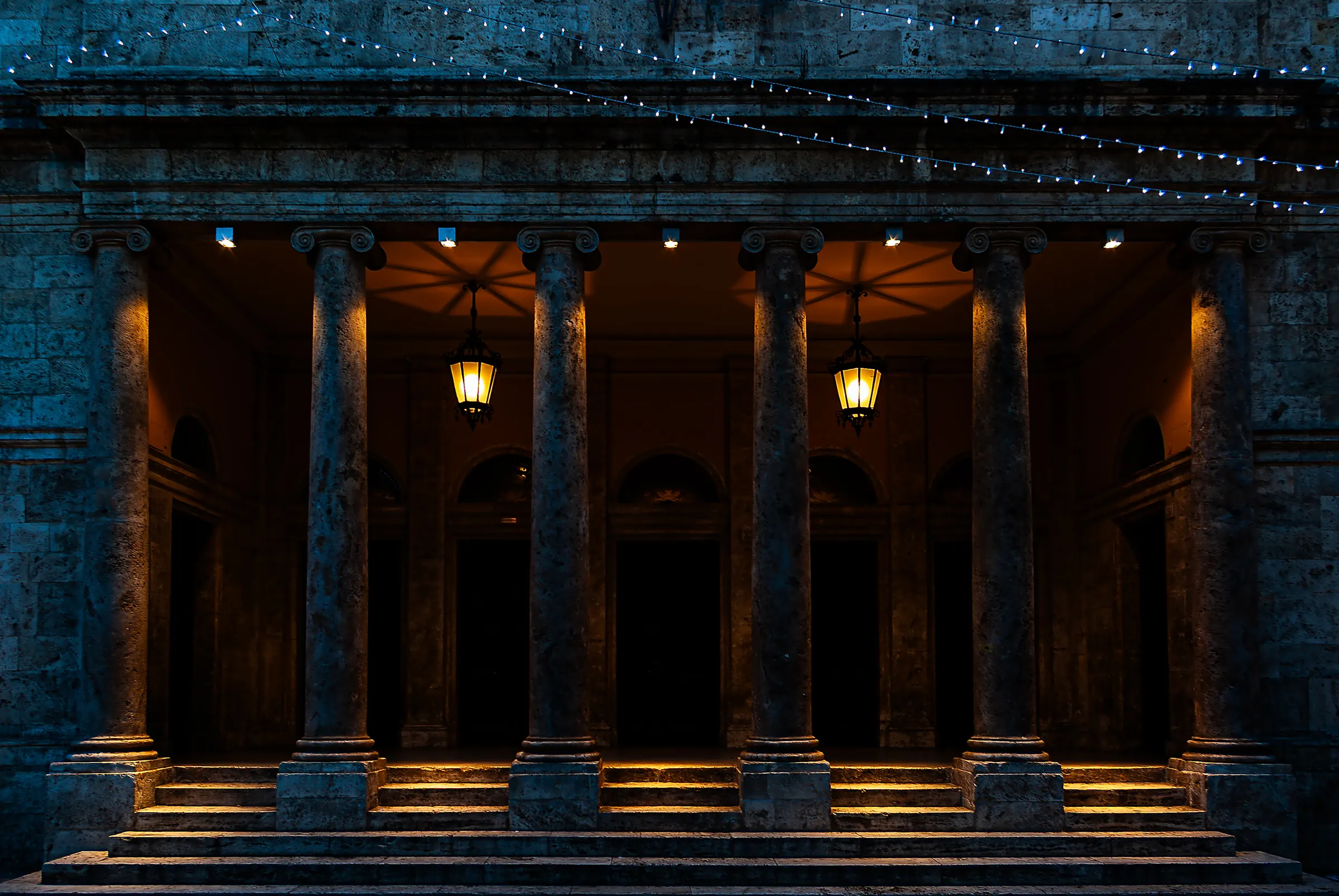
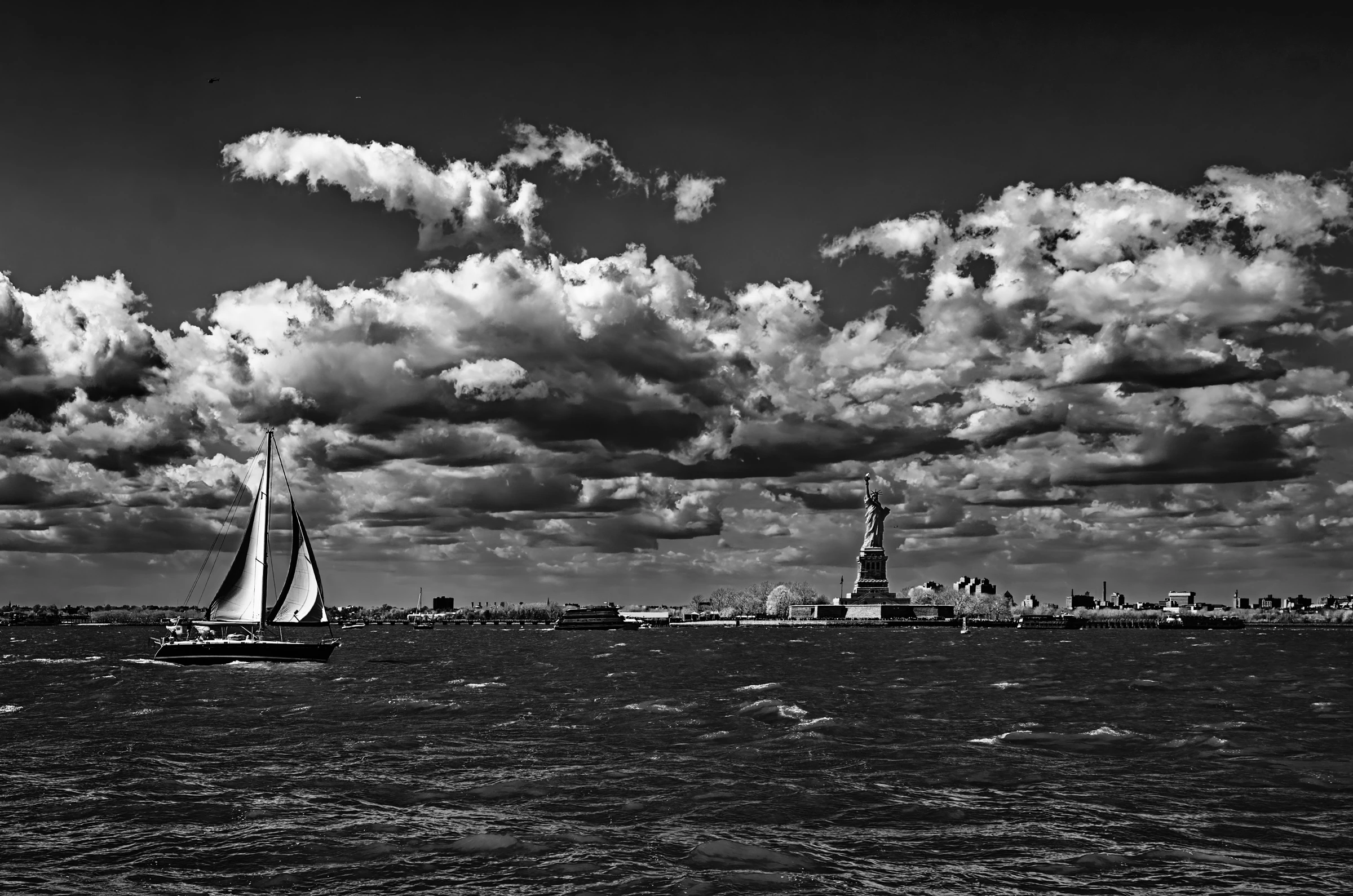
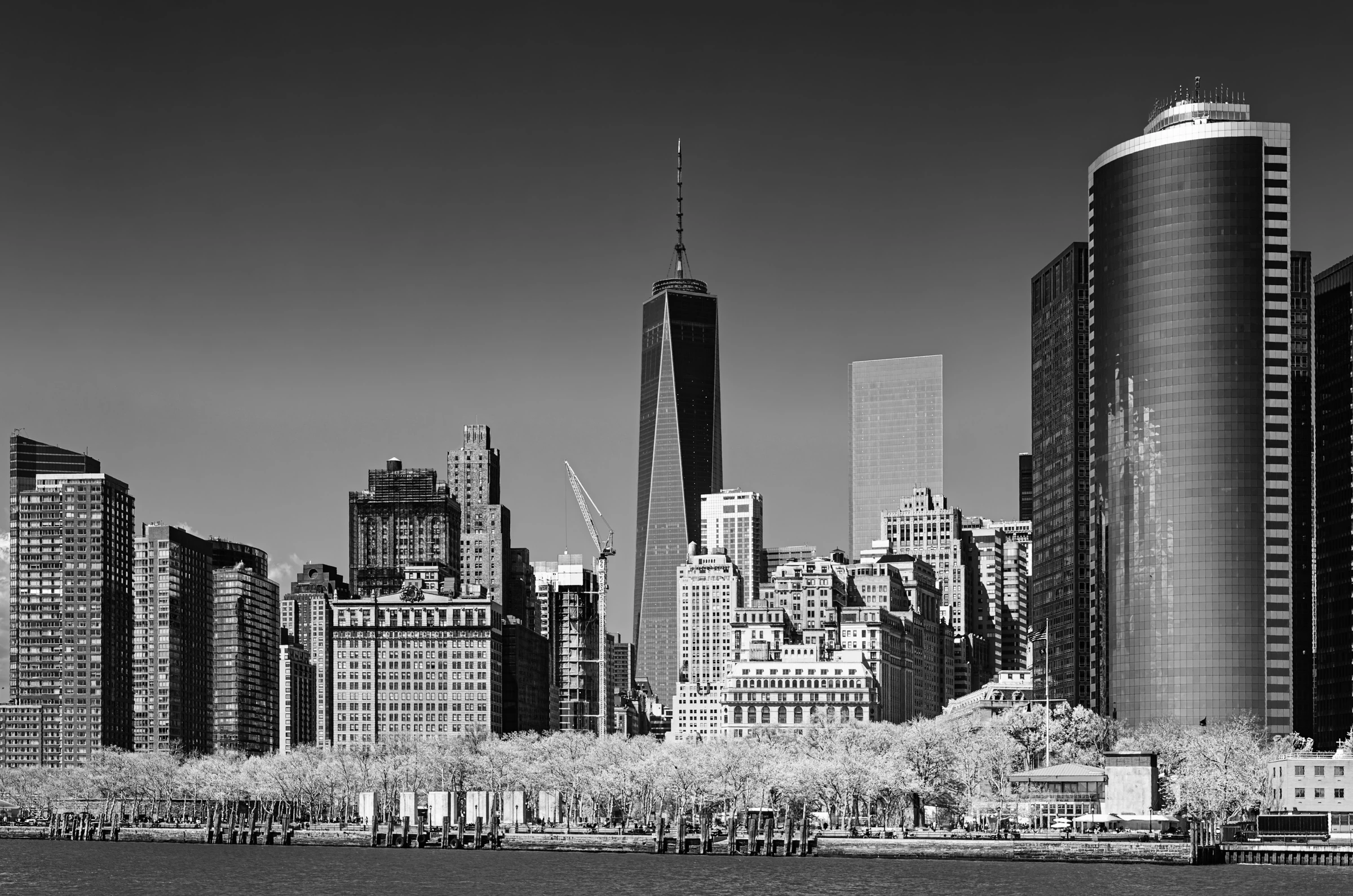
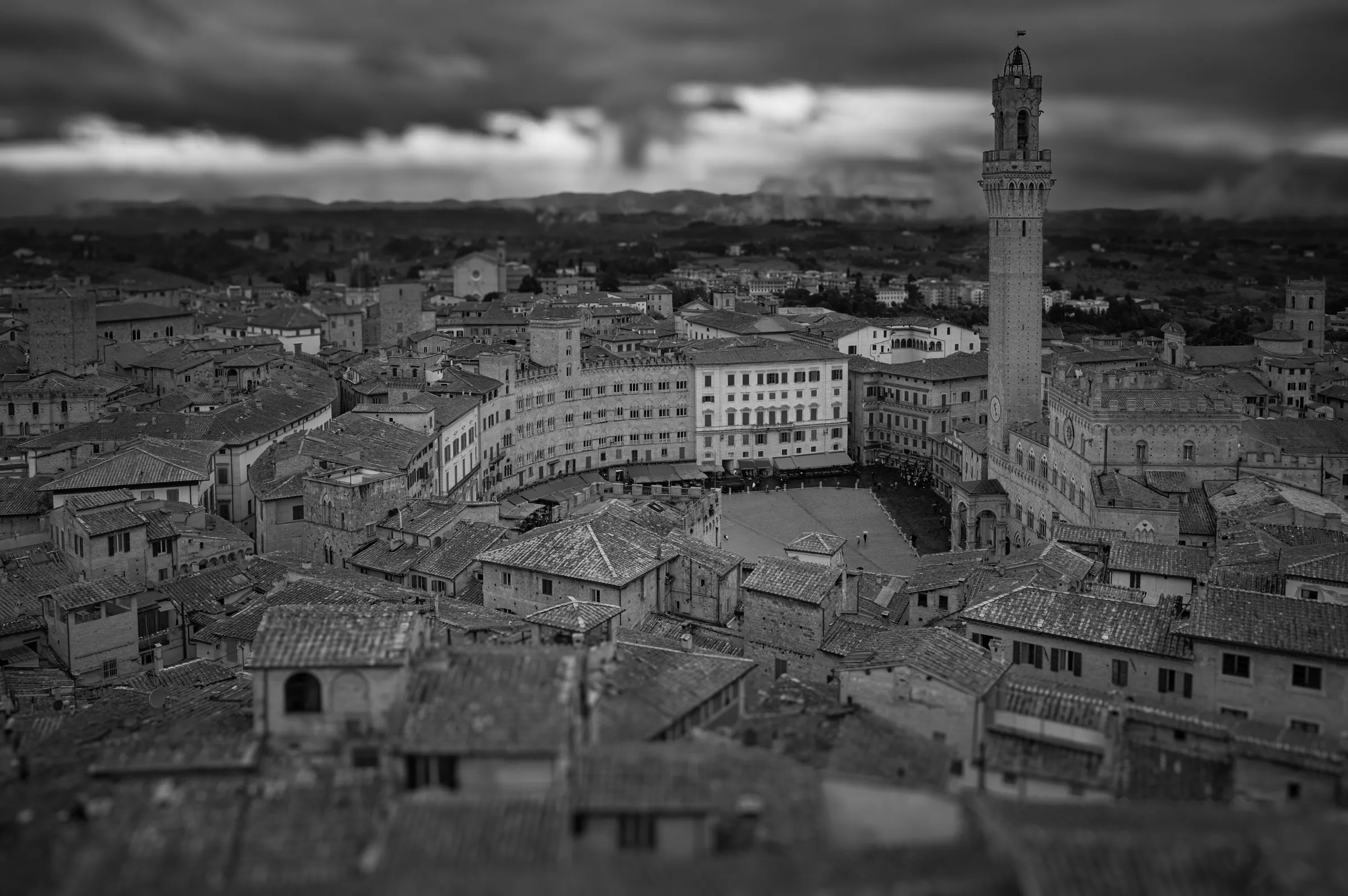
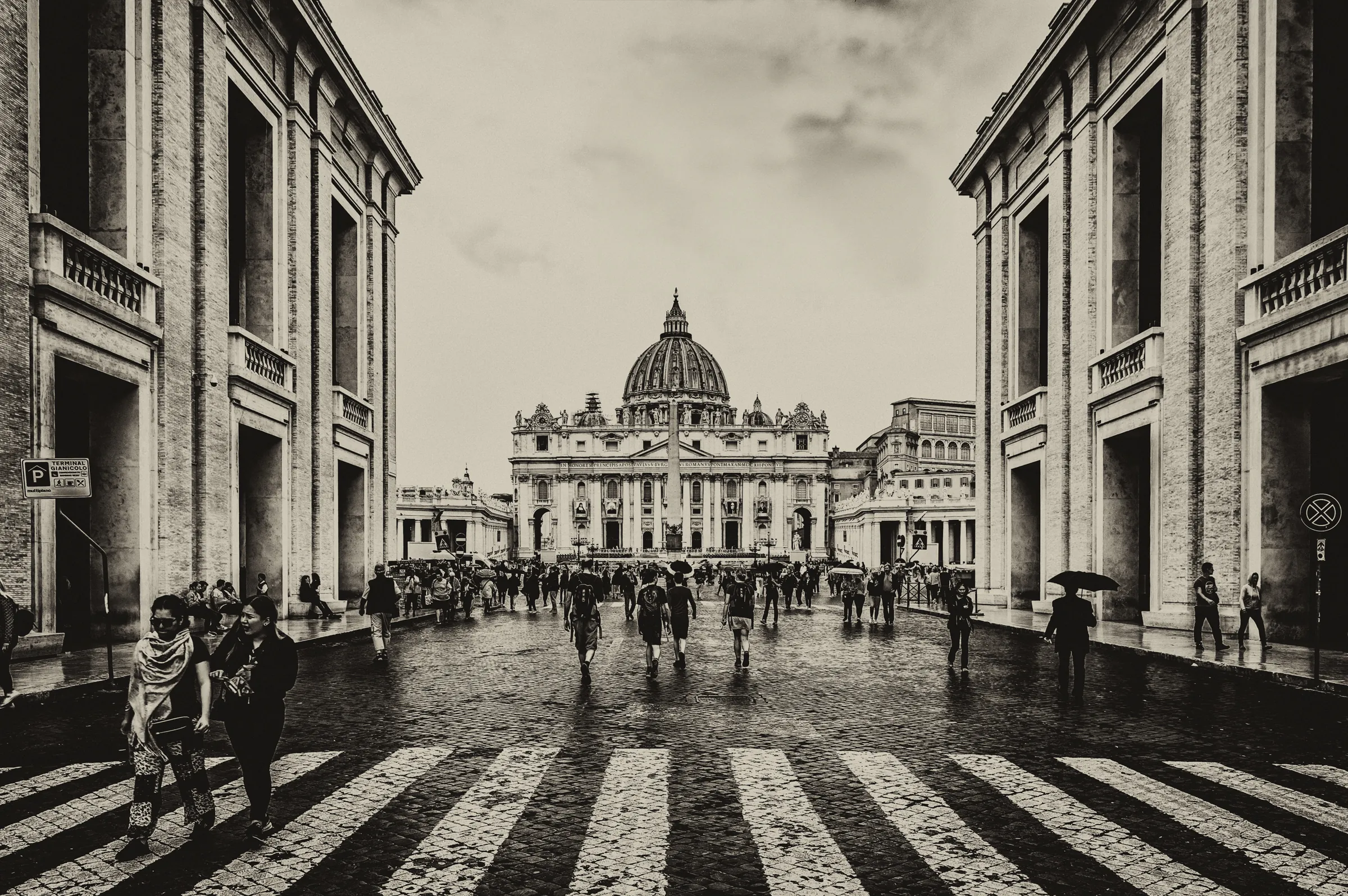
City Light brings together 23 city and architectural works from Paris, New York, Rome and Vatican City, Rotterdam, Berlin, Liège, Mechelen, Siena, Ascoli Piceno, and Monforte d'Alba. The connecting thread is not geography but a way of looking at built form: the point where architecture organises light into something precise and legible.
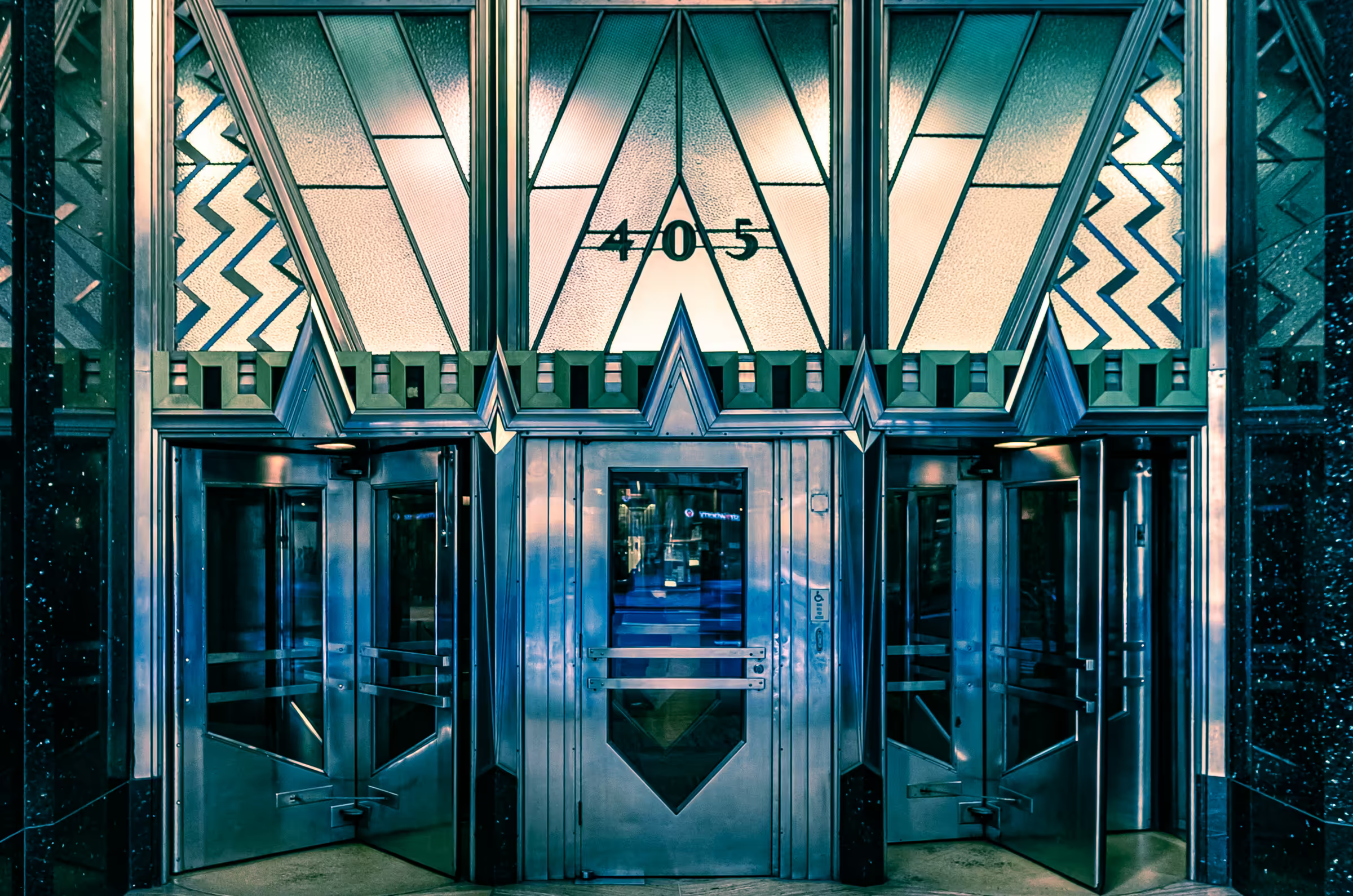
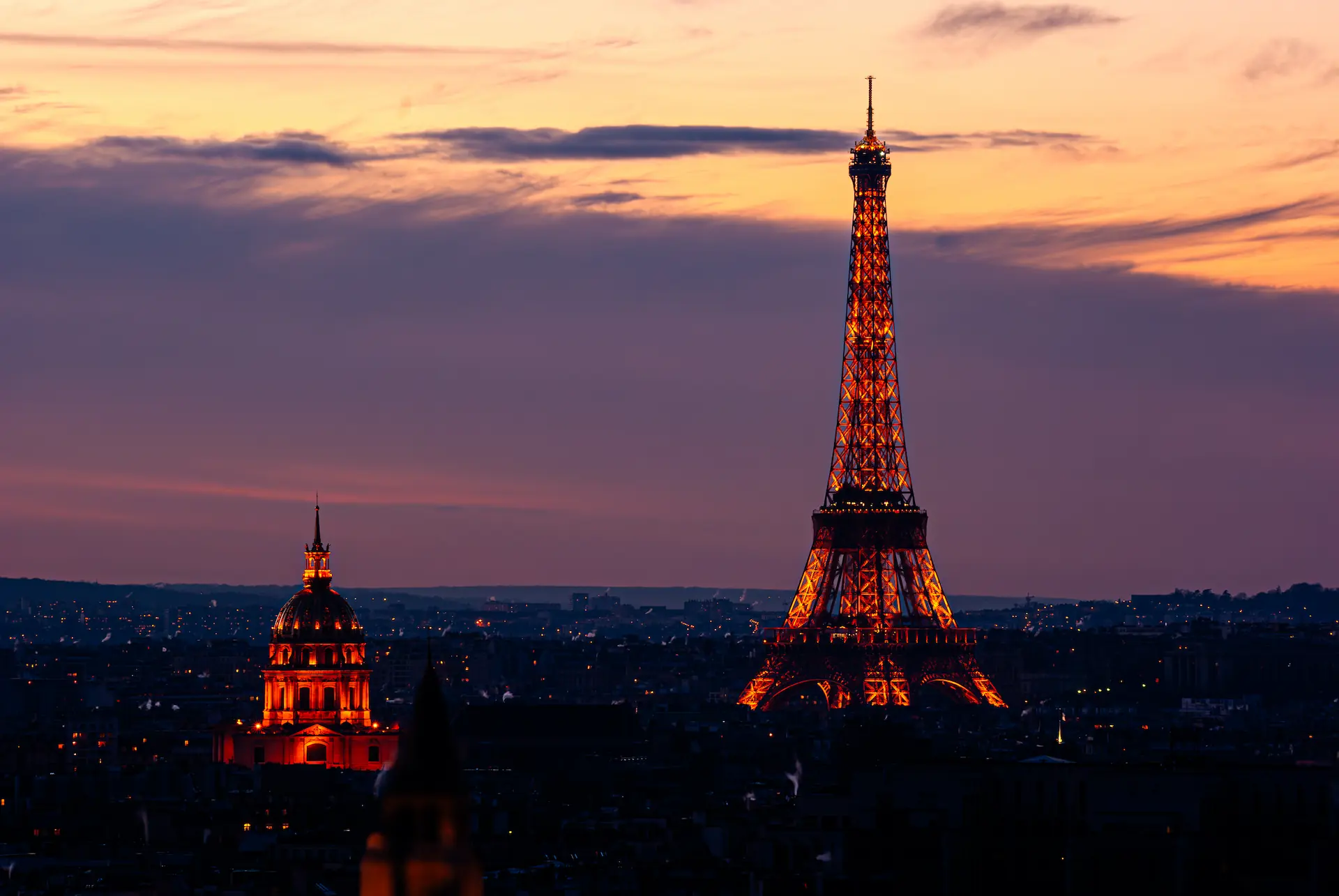
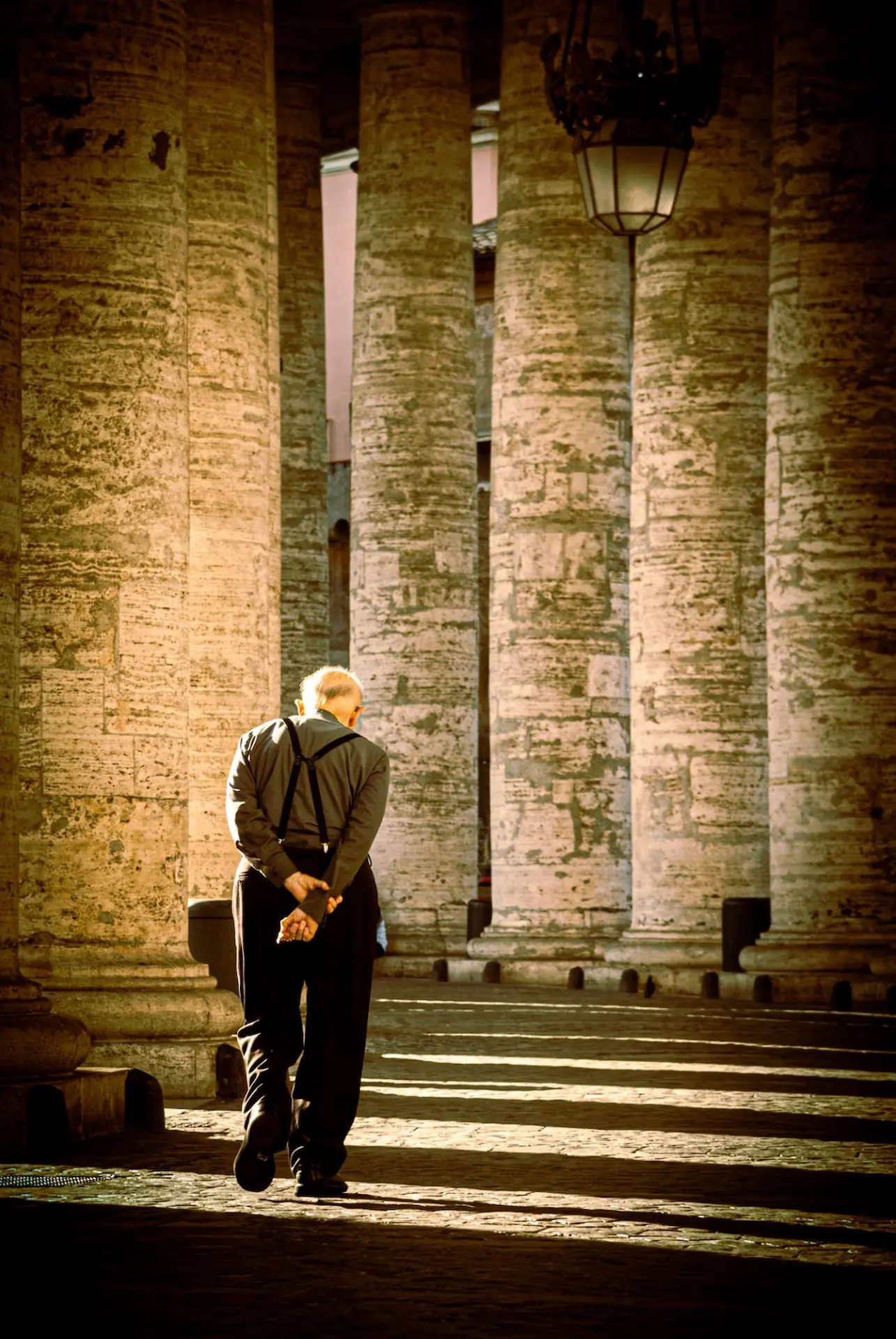
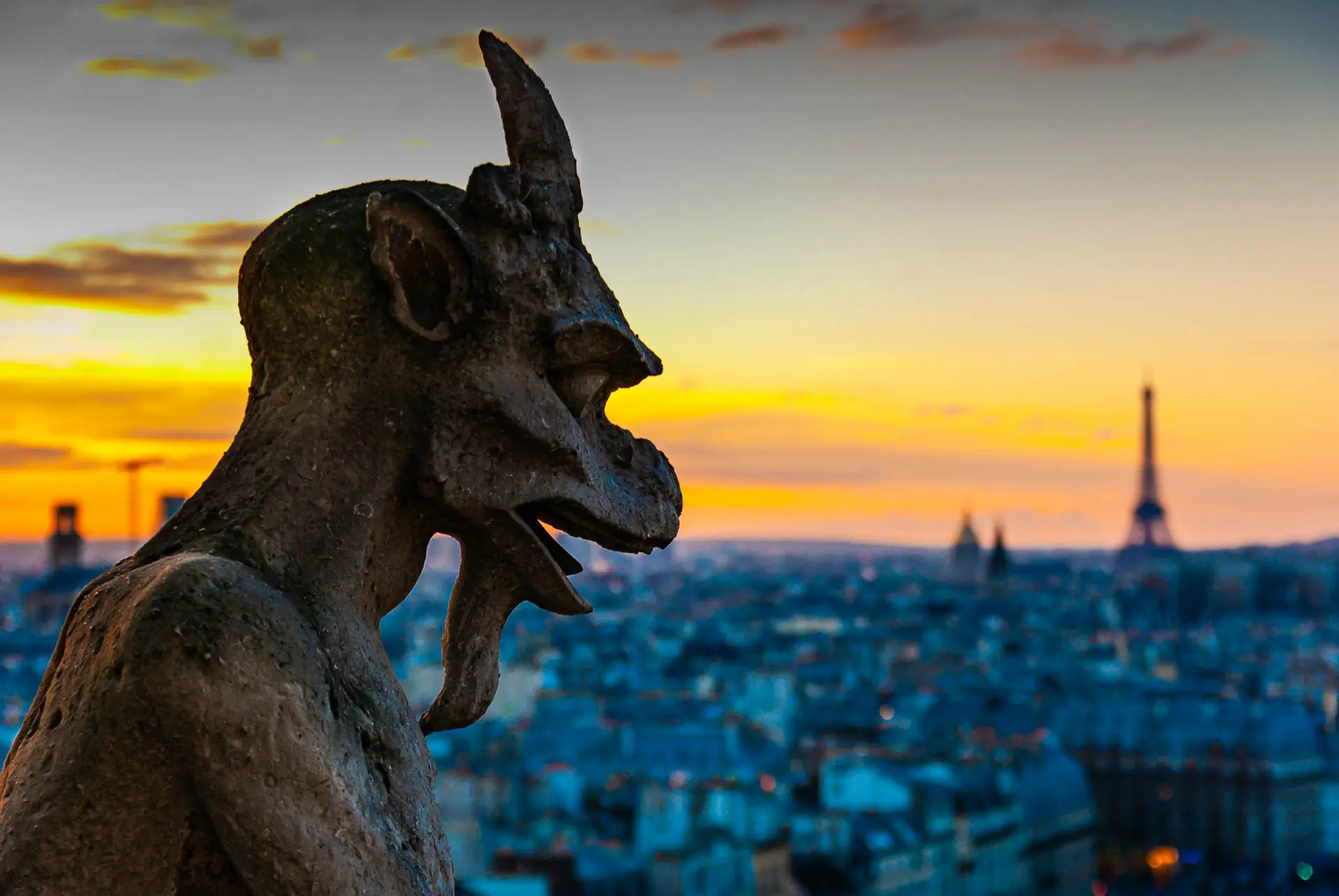
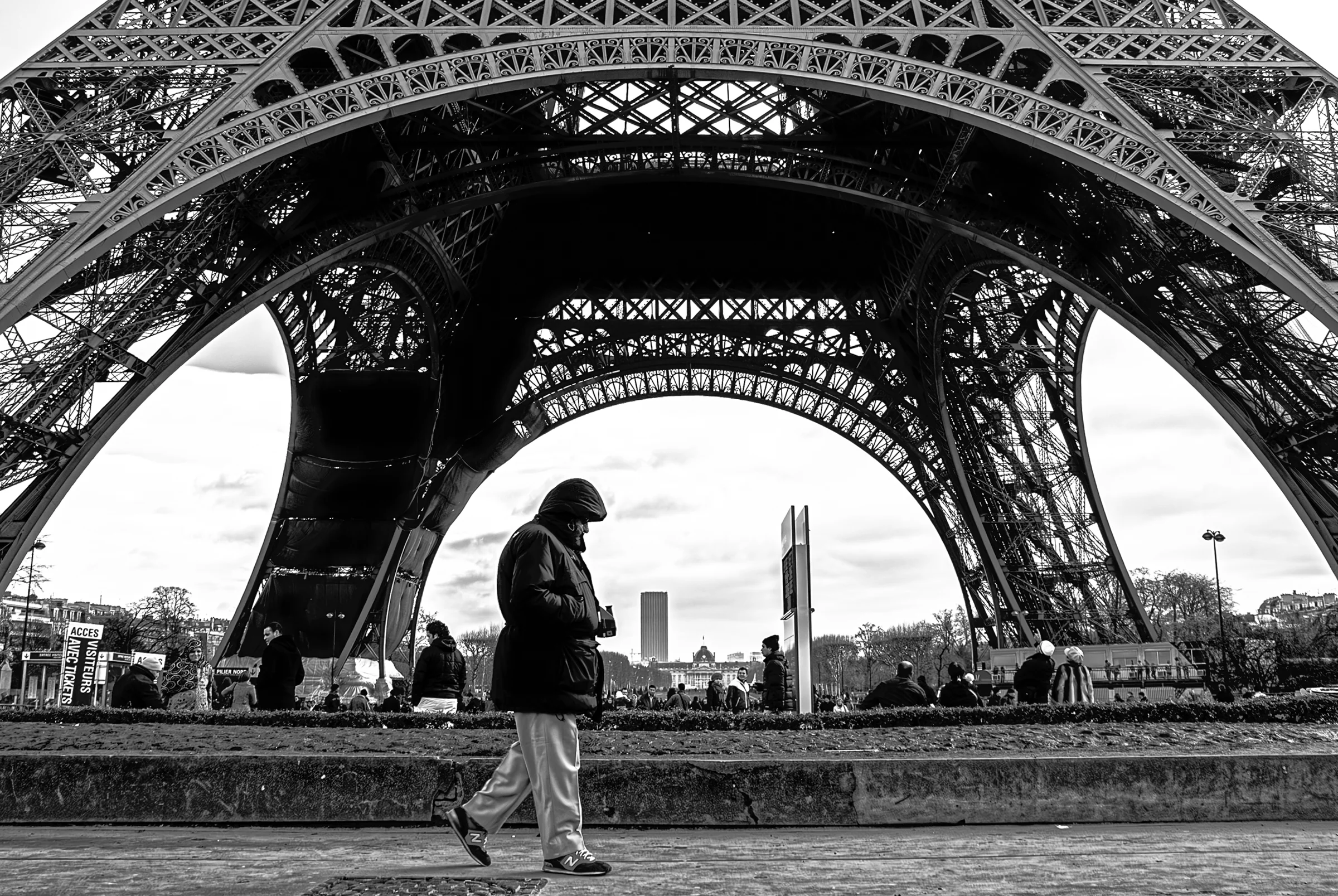
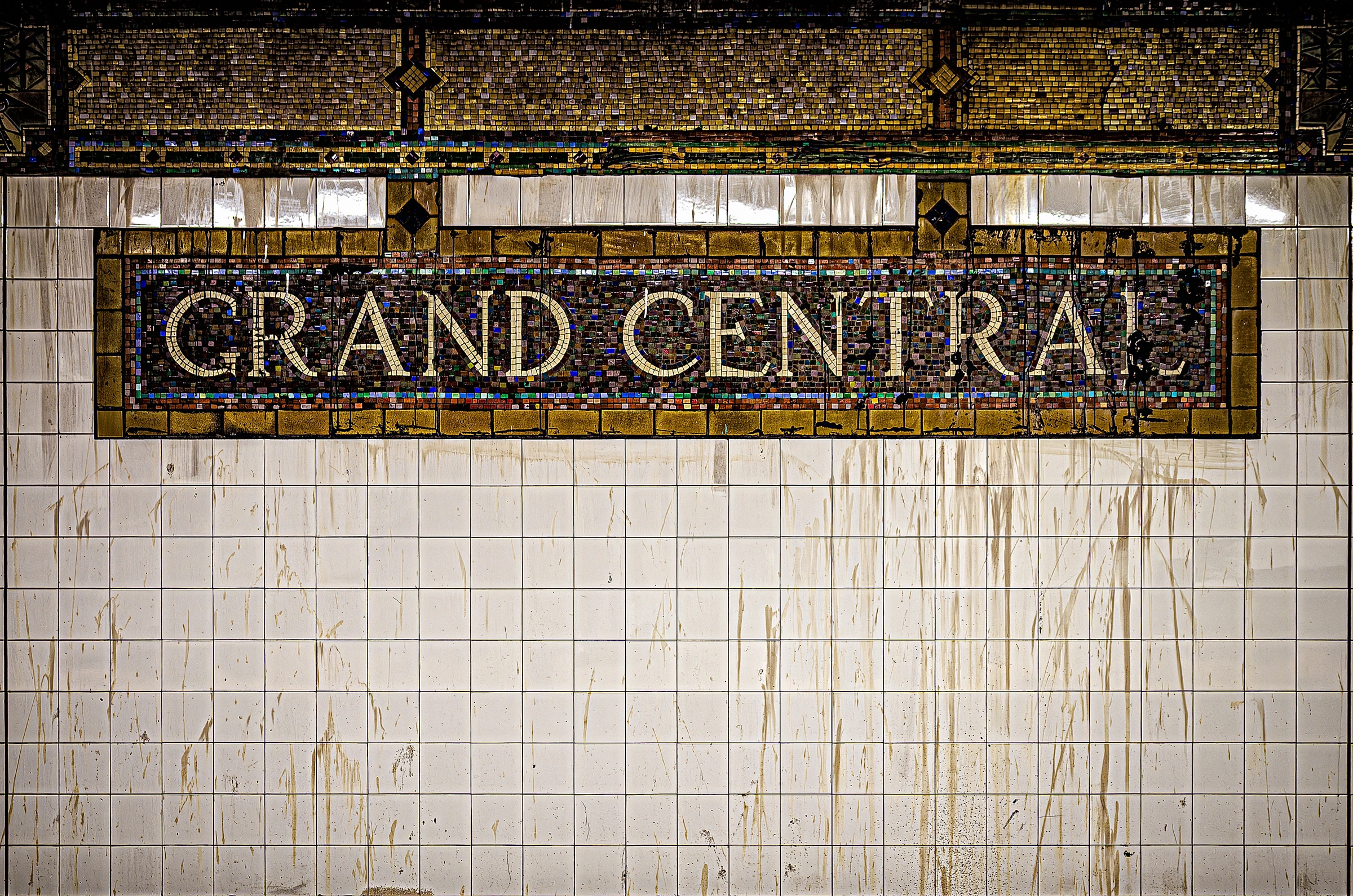
The Eiffel Tower appears twice — once in twilight colour, once raked by a low angle that compresses the geometry into pure form. The Guillemins station in Liège is an exercise in Calatrava's structural rhythm. Grand Central is a shaft of mid-morning light through dust. The Vatican colonnade reduces a century of human presence to a single priest's silhouette. The Chrysler Building entrance is all Art Deco metal and compressed geometry.
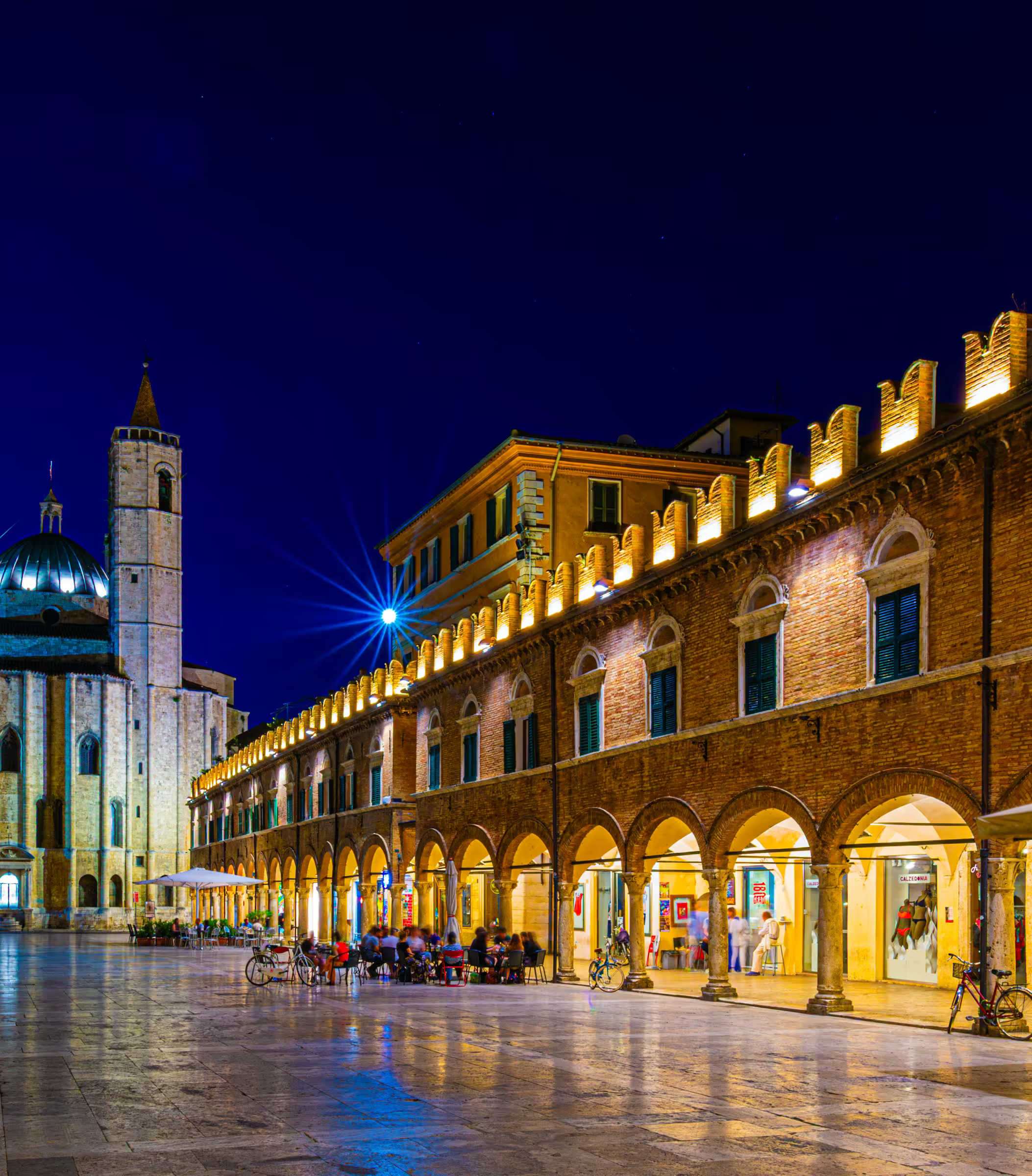
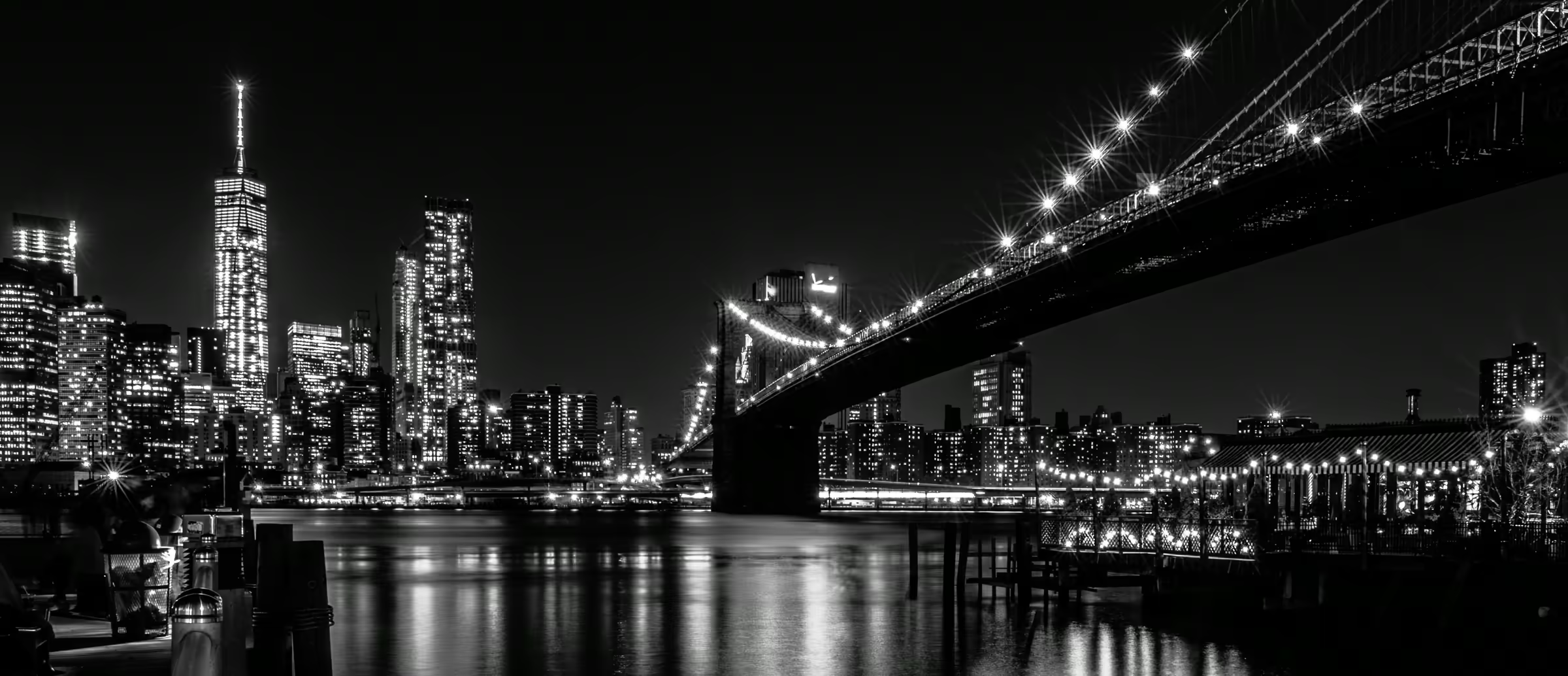
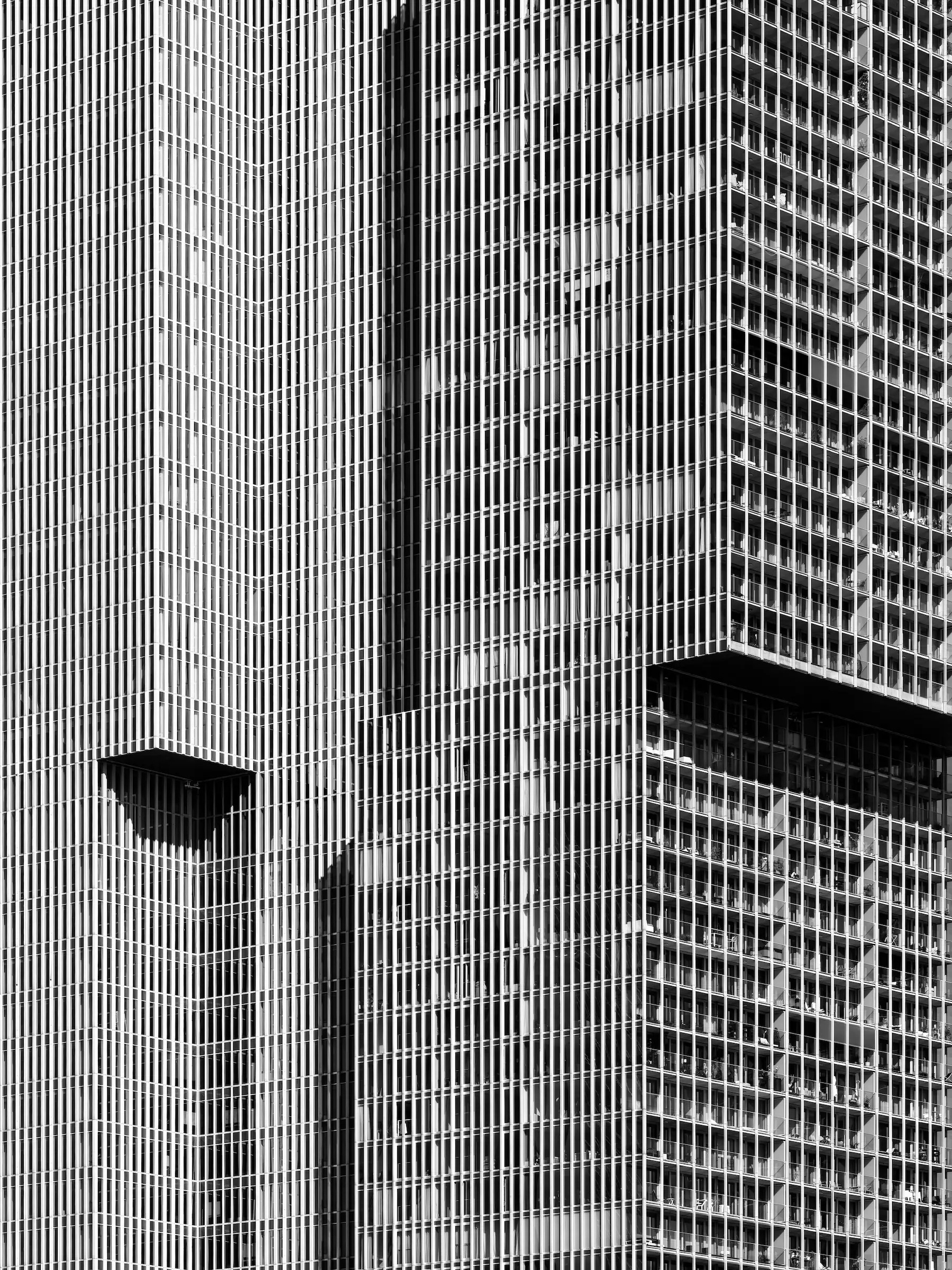
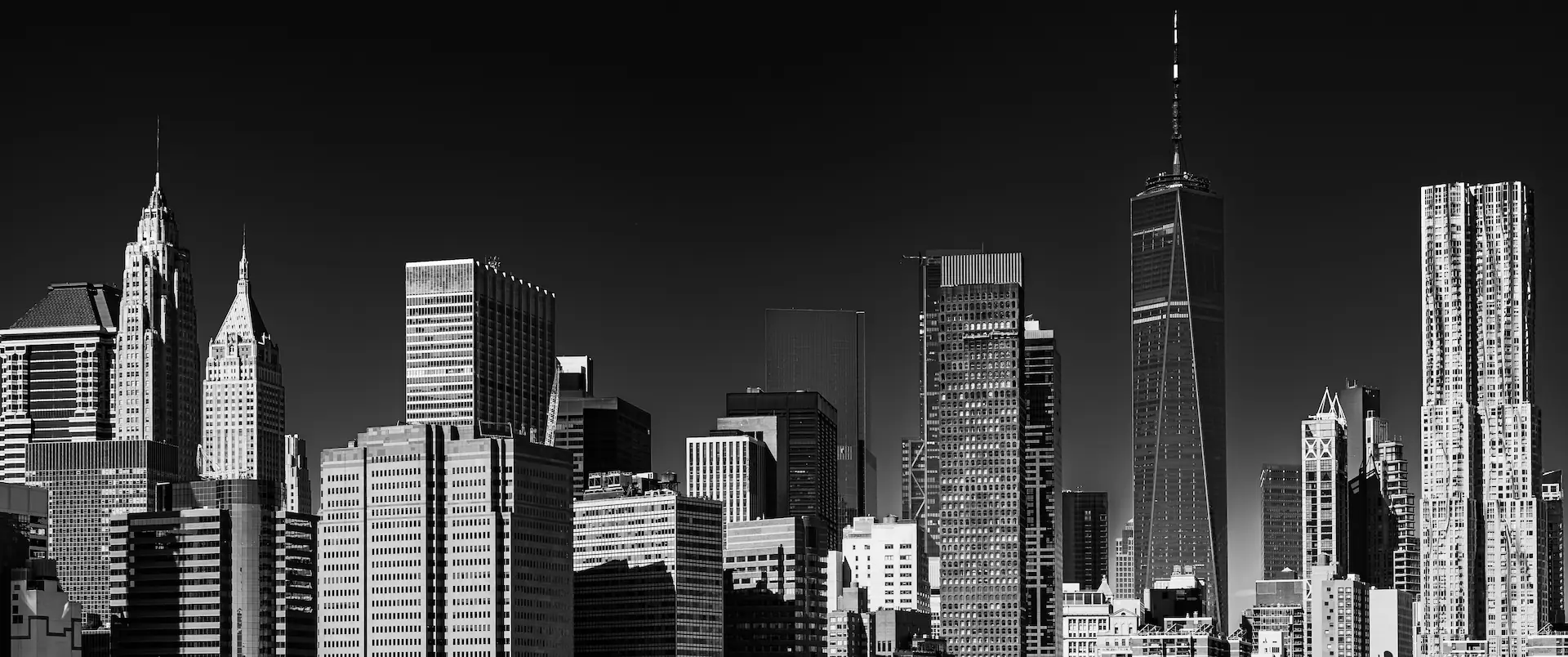
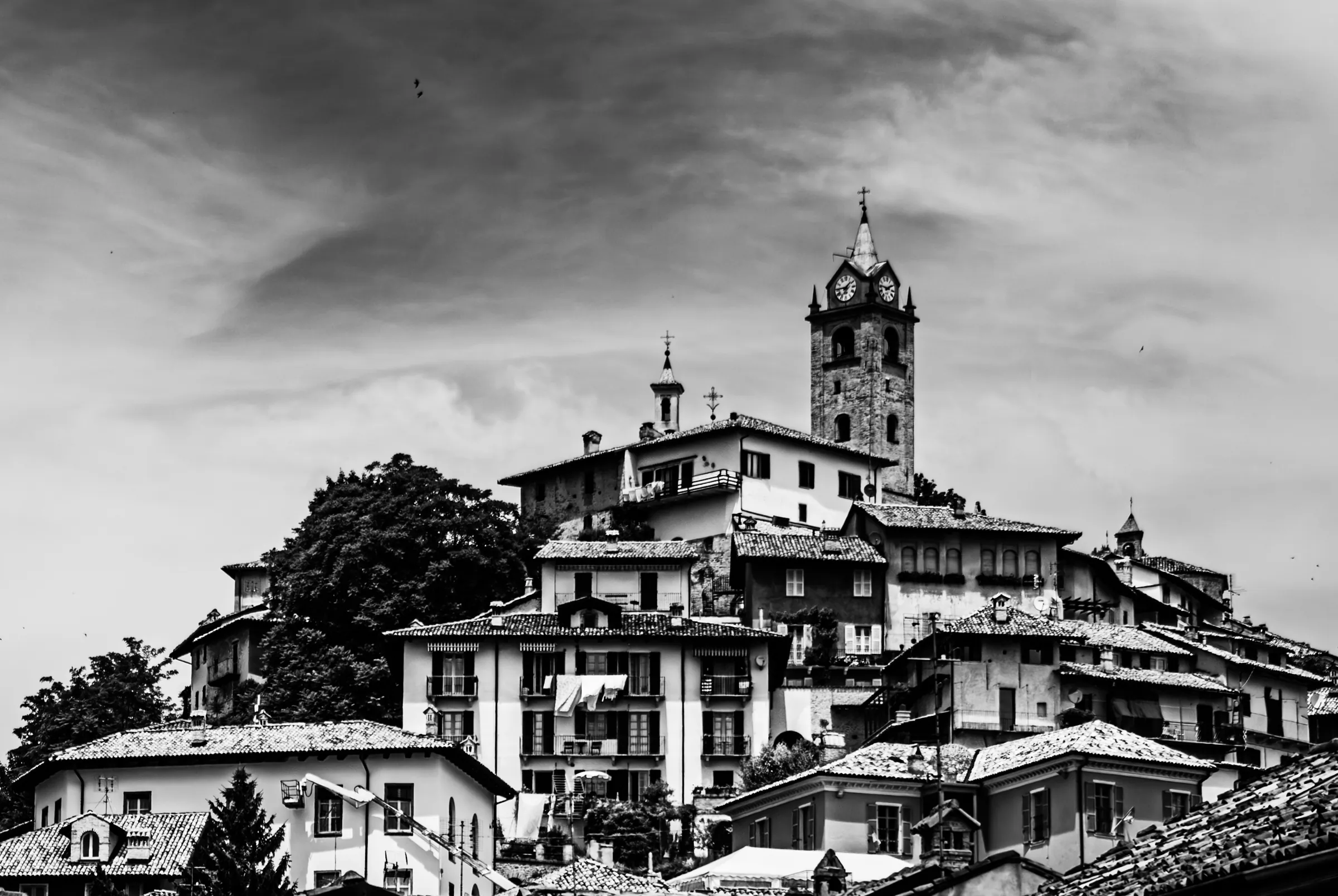
The Italian hill towns — Siena's Campo at dusk, Monforte d'Alba's hilltop grid — show the series' quieter register: places where centuries of building have produced an accidental perfection that no single architect planned. The Rotterdam works ground the series in the contemporary European city. The New York works show the same underlying grammar applied at a different scale and with a different confidence. The question throughout is the same: what does light do to a structure, and what does a structure do to light?